
By James Eliot, Markets & Finance Editor
Last updated: April 24, 2026
The Wearable Revolution: 5 Reasons Programmable Watches Could Disrupt Tech
The smartwatch market is projected to grow by 25% annually, reaching $96 billion by 2027, according to Statista. Beneath this robust growth lies an emerging trend: programmable watches. Many see these devices as mere novelties, yet they may herald the next big leap in wearable technology and personalized user experiences. As consumer expectations shift, brands that fail to innovate could find themselves eclipsed by this wave of customization.
What Is a Programmable Watch?
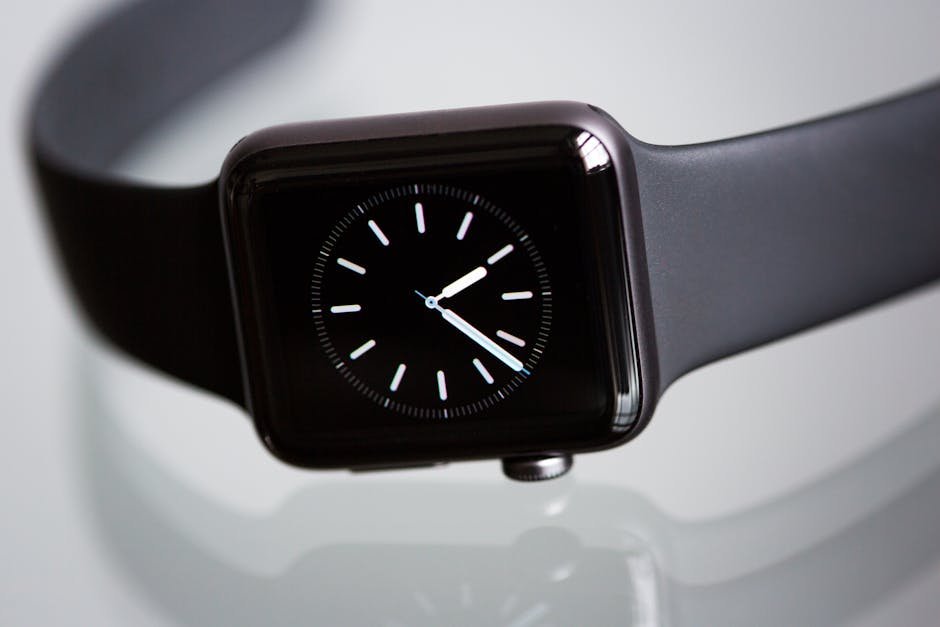
A programmable watch is a wearable device designed to let users personalize functionality, often via an open-source platform or DIY kits. This self-customization empowers consumers, allowing them to tailor technology experiences to personal preferences, much like customizing a smartphone with apps. As consumer demands for individuality rise, each programmable watch breaks the mold of traditional consumer electronics, reshaping our relationship with technology.
How Programmable Watches Work in Practice
-
Hackster.io’s DIY Watch Kit: Hackster.io released a DIY programmable watch project that gained over 10,000 views in its first week. The kit allows gadget enthusiasts to create a customized smartwatch, complete with personalized notifications and interfaces. This community-driven approach emphasizes how tech-savvy consumers are eager to take their device experiences into their own hands, mirroring the innovations seen in platforms like Apple’s SpeechAnalyzer API.
-
Pebble’s Early Adoption: Back in 2013, Pebble set the stage for programmable smartwatches by offering a platform where users could create their apps. Pebble’s success demonstrated the market’s appetite for customization, with over 1 million units sold in 2014 alone. This pioneering spirit continues to resonate today as users increasingly demand similar capabilities from newer brands, paralleling the custom features found in Samsung Health’s AI training.
-
Fitbit’s Customization Features: Fitbit has ventured into programmable features, allowing users to customize watch faces and apps. With over 30 million devices shipped, the company noticed that customization significantly impacts user engagement. Fitbit reported that customized watch faces led to a higher activity tracking rate among users, indicating a direct correlation between personalization and product performance, similar to the demands observed in 5 Reasons Why BTC Trading Bots Are Revolutionizing Crypto Investment.
-
Adventures in the Maker Community: Beyond established companies, the rise of platforms like Arduino has birthed a variety of DIY wearable projects. Individuals use Arduino to program varied features into watches tailored to their hobbies, such as countdown timers for athletes. This movement signifies a broader cultural shift towards personalization, mingling function with fashion, akin to the trends seen in Keychron’s open-source gaming mice firmware.
Top Tools and Solutions
Carepatron — Healthcare practice management platform.
MAP System — Master Affiliate Profits — affiliate marketing automation, tracking, and high-converting funnel templates.
Survicate — Customer feedback and survey platform.
KrispCall — Cloud phone system for modern businesses.
Dify — Open source LLM app development platform.
BlackboxAI — AI coding assistant and developer tool.
Common Mistakes and What to Avoid
-
Underestimating Community Engagement: A notable failure from a well-funded smartwatch startup occurred when they opted for a closed ecosystem, alienating potential DIY contributors. In contrast, companies like Pebble thrived precisely because they opened their platforms for community development.
-
Neglecting User Preferences: A prominent smartwatch brand pushed a heavy subscription model for premium features, failing to recognize that users are increasingly valuing customizability and one-time purchases. The backtrack resulted in a significant sales drop and underwhelming user retention rates.
-
Overcomplicating Customization: A high-end smartwatch developed an overly complex interface for personalization that confused users. Unlike Hackster.io’s streamlined guidance for their DIY projects, this brand lost potential customers who simply sought straightforward customization options.
Where This Is Heading
As market dynamics shift, several trends are emerging:
-
Increased DIY Culture: More consumers are joining the DIY movement, eager to create their own tech solutions and experiences. Platforms like Hackster.io will likely see continued growth, further influencing mainstream tech innovation.
-
Corporate Emphasis on Customization: Major players like Apple and Samsung will likely feel pressure to adopt programmable features, risking obsolescence if they continue to offer rigid software. Companies that embrace user-driven innovation, as Pebble did, will be best positioned to maintain relevance.
-
Mid-Market Disruption: Affordable options, starting as low as $50, are expected to capture significant market share. This trend provides a challenge to established brands, as budget-conscious consumers increasingly seek devices that promise personalization without the premium price tag.
Analysts predict that by CES 2024, numerous brands will showcase wearables that integrate highly customizable features, driving consumer demand for personal devices that align with individual lifestyles.
FAQ
Q: What is a programmable watch?
A: A programmable watch is a customizable wearable device that lets users tailor functionalities to match personal preferences. This emerging tech trend empowers consumers to shape their tech experiences, leading to more individualized usage.
Q: Who benefits from programmable watches?
A: Programmable watches cater to tech enthusiasts, developers, and everyday users seeking personalized experiences in wearable technology. This shift towards customization has opened up opportunities for various demographics to engage with their devices uniquely.
Q: How can I customize my smartwatch?
A: Many platforms, such as Hackster.io and Arduino, offer DIY kits and projects that enable users to create personalized features for their smartwatches. By leveraging open-source platforms, you can craft apps specifically suited to your lifestyle needs.
Q: Are DIY programmable watches affordable?
A: Yes, many DIY programmable watch kits start at around $50, making them accessible for budget-conscious consumers. This price point encourages experimentation and innovation, challenging established brands to keep pace.
Q: What are some popular brands offering programmable watches?
A: Companies like Pebble and Fitbit lead the market with their customizable features, attracting users eager for unique experiences. With the rise of DIY platforms, many independent creators are also emerging in this space.
Q: How do programmable watches impact user engagement?
A: Programmable watches significantly enhance user engagement by allowing for personalization, which has been shown to increase usage rates and satisfaction. This trend is driving brands to consider customization as a key feature in their products.
Q: What are the future trends in wearable technology?
A: Future trends include increased demand for customizability and the rise of DIY solutions in the wearable tech sector. As consumers prioritize personalized experiences, companies will need to adapt by offering more flexible and programmable devices.
Q: What is the best tool for developing apps for programmable watches?
A: Platforms like Hackster.io and Arduino offer excellent resources for developing apps for programmable watches, providing guides and kits tailored for both novice and expert creators. These tools foster community engagement and innovation in tech development.