
By James Eliot, Markets & Finance Editor
Last updated: July 10, 2026
The Glass Backbone: 5 Reasons the Army’s Logistics Will Fail in Future Conflicts
The U.S. Army’s logistics network is alarmingly fragile, with approximately 70% reliant on commercial supply chains unprepared for war-time demands. This fragility is not merely a statistic; it foreshadows a pivotal reckoning in modern warfare as adversaries increasingly target these vulnerabilities. While discussions overly emphasize emerging technologies and new weapons systems, an unseen crisis looms: the Army’s existing logistic frameworks are unfit for the future battlefield.
The fragility of military logistics has come into sharp focus against the backdrop of recent global events, such as the chaotic Afghanistan withdrawal and ongoing conflict in Ukraine. Both underline the critical need for revamped logistics capable of sustaining operations under duress. This article details why an over-reliance on delicate supply chains could lead to catastrophic consequences in battle, reshaping how military readiness is perceived.
What Is Military Logistics?
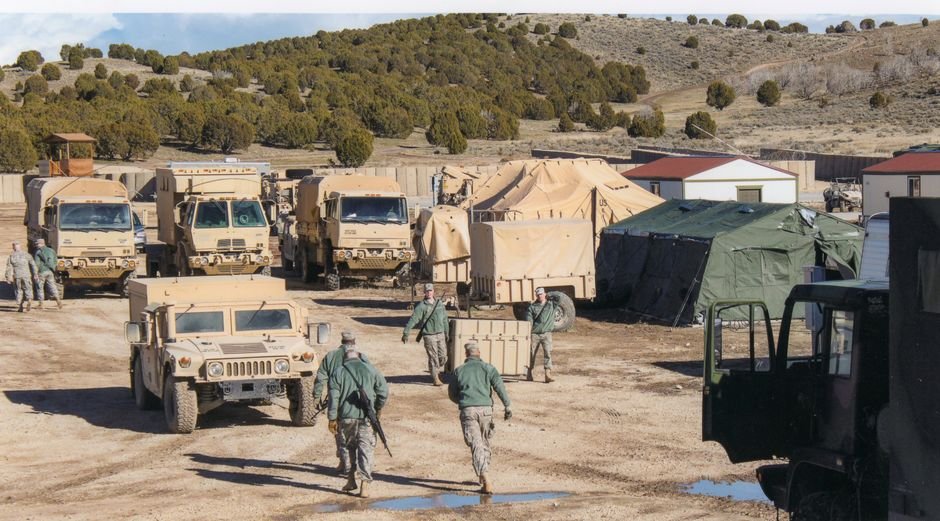
Military logistics encompasses the planning and execution of the movement and support of forces, ensuring they have adequate supplies, equipment, and personnel when needed. This aspect of military strategy determines how swiftly and effectively armed forces can react to conflicts. Given the dramatic shifts observed in global combat scenarios, understanding military logistics is paramount for defense policymakers and analysts.
Think of military logistics like the backbone of a retail operation. If supply chains falter, like Toys ‘R’ Us’ infamous collapse due to poor inventory management, the entire structure crumbles, leaving troops vulnerable.
How Military Logistics Works in Practice
Several key players are crucial to understanding the logistical dynamics at play within military operations:
-
Army Sustainment Command (ASC): Responsible for supplying and maintaining military equipment, ASC must work continuously to ensure troops are outfitted for combat. It supports over 1.5 million personnel stationed globally, yet faces major challenges in securing timely deliveries of critical equipment, especially during conflicts.
-
Amazon’s Logistics Model: While Amazon is not a military entity, its logistics operations set a benchmark for efficiency. The company uses advanced technologies with real-time inventory management that keeps fulfillment centers stocked. The Army currently lacks similar advanced technologies, which could buttress its logistics and counteract targeted strikes.
-
NATO’s Response Protocols: NATO employs a logistics framework that anticipates disruptions by holding pre-positioned supplies in key locations, allowing rapid deployment of resources. During heightened tensions, such as the Russia-Ukraine conflict, this approach has proven effective, while the Army’s logistics have remained static.
The shortcomings of the Army’s logistics network become evident through war games conducted by the Pentagon, which illustrate potential 40% casualty rates among supply personnel due to targeted attacks. Such figures starkly contrast traditional combat losses and emphasize a pressing need to rethink logistics.
Top Tools and Solutions
To enhance military logistics and address its current vulnerabilities, consider these solutions:
Increff — Inventory and warehouse management platform that ensures efficient resource tracking for various industries.
Trainual — A business playbook and employee training platform designed to streamline onboarding and training processes for organizations.
Constant Contact — Email marketing and automation platform suitable for businesses aiming to enhance customer engagement through targeted communication strategies.
Dify — Open source LLM app development platform, enabling organizations to build and deploy language models effectively.
RankPrompt — AI-powered SEO and content optimization tool that assists in enhancing online visibility and performance.
CallHippo — Virtual phone system for businesses, designed to facilitate seamless communication and customer interaction.
Common Mistakes and What to Avoid
Analyzing military logistics reveals several common pitfalls that have significant repercussions:
-
Over-reliance on Just-in-Time Logistics: Similar to the implosion of Toys ‘R’ Us that stemmed from poorly managed supply chains, the Army’s dependency on just-in-time deliveries creates vulnerabilities. In combat, timely acquisitions may not be feasible, leaving soldiers without essential supplies when it matters most.
-
Neglecting Technological Investments: The Army has been slow to modernize its logistics systems compared to commercial enterprises. Companies like FedEx utilize sophisticated tracking and route-planning technologies, a feature woefully absent in military supply chains. This lack of innovation risks operational failures in demanding environments.
-
Mismanaging Resources During Withdrawals: The hasty withdrawal from Afghanistan demonstrated systemic vulnerabilities in managing logistics during critical transitions. Experts, including retired General David Petraeus, criticized these logistical failures, leading to urgent calls for a comprehensive reassessment of military logistics planning.
Where This Is Heading
In light of ongoing global conflicts and logistical challenges, three clear trends are emerging:
-
Investment in Redundancy: Expect an increased focus on redundancy within military logistics systems. The U.S. Army is likely to invest in backup supply chains analogous to those employed by private sector leaders like Walmart, which maintains separate suppliers to ensure consistent stock levels.
-
Adoption of Advanced Technologies: Analysts predict that within the next 12-24 months, the Army will begin integrating AI and machine learning into logistics, inspired by companies like Amazon and FedEx. These technologies could better predict failures and optimize resource allocation, a crucial necessity in future warfare.
-
Resilience Lessons from Ukraine: Ukraine’s military success has been significantly attributed to resilient logistics strategies, including local sourcing and innovative technology use. U.S. military planners are likely to focus more on these transformative lessons as they adapt to new conflict paradigms.
FAQ
Q: What is military logistics?
A: Military logistics is the planning and execution of the movement and support of armed forces. It ensures troops have the necessary supplies, equipment, and personnel during conflicts.
Q: How can the Army improve its logistics?
A: The Army can enhance its logistics by investing in advanced technologies and adopting models from successful commercial supply chains. This includes utilizing real-time inventory systems similar to those of Amazon.
Q: How does military logistics compare to civilian logistics?
A: Military logistics is often more complex due to the urgency and unpredictability of combat situations. While civilian logistics, like those of retail companies, prioritize efficiency, military logistics must be flexible and resilient under duress.
Q: What are the costs associated with military logistics?
A: The costs of military logistics can vary significantly depending on the resources needed and the situations faced. Budgeting effectively is crucial to ensuring troops are fully equipped without overspending.
Q: How can AI be implemented in military logistics?
A: AI can be used in military logistics to predict operational failures and optimize resource allocation, making processes more efficient and responsive to changing battlefield dynamics.
Q: What common mistakes should be avoided in military logistics?
A: Common mistakes include over-reliance on just-in-time deliveries, failure to invest in technology, and mismanagement during critical transitions. Each of these can lead to significant vulnerabilities.
Q: What is the future of military logistics?
A: The future of military logistics is likely to focus on redundancy, advanced technology adoption, and learning from global conflicts like Ukraine, enabling a more agile and prepared military response.
Q: What tools can enhance military logistics?
A: There are various tools available, including inventory management platforms, routing software, and training systems that can help streamline military logistics and improve operational efficiency.