
By James Eliot, Markets & Finance Editor
Last updated: May 24, 2026
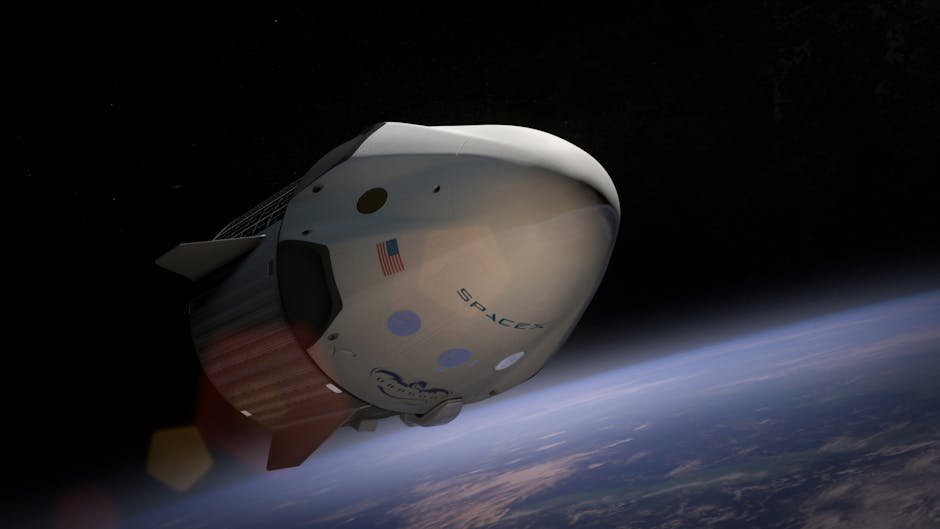
SpaceX’s Starship v3 Launch: A Game-Changer in Space Economies
The successful launch of SpaceX’s Starship v3 marks a pivotal moment in the evolution of commercial space travel, potentially reducing satellite launch costs by an extraordinary 90%. This dramatic decrease could deliver a new era of accessibility in space, redefining global supply chains and commercial endeavors. Industry experts are beginning to recognize that this launch is not merely another technical feat for SpaceX; it is the bedrock upon which future space economies will be built.
Recent statistics indicate that satellite launches currently average around $10,000 per kilogram, according to SpaceNews. If Starship v3 achieves its ambitious goals, that figure could tumble to approximately $1,000 per kilogram. The implications for the satellite market, which sees over 300 companies partnered with SpaceX, could be staggering.
What Is Starship v3?
Starship v3 is the latest iteration of SpaceX’s ambitious spacecraft designed for missions beyond Earth, including deep-space exploration and lunar travel. This program ultimately aims to make space travel more cost-effective and sustainable, benefitting not only SpaceX but the entire aerospace industry. Think of Starship v3 like a freight train; just as trains revolutionized land transport, Starship v3 aims to reshape the economics of space travel.
For investors and technologists, understanding Starship’s potential could inform strategic decisions and partnerships in the burgeoning space economy. The launch solidifies SpaceX’s position as a frontrunner in aerospace and acts as a litmus test for private sector capabilities.
How Starship v3 Works in Practice
SpaceX’s Starship v3 has already made waves beyond its launch. Here are a few practical use cases:
-
NASA’s Artemis Missions: NASA plans to accelerate its Artemis missions using Starship v3, potentially landing astronauts on the Moon by 2024. This partnership allows NASA to focus on its deep-space goals while leveraging SpaceX’s capabilities. The efficiency of Starship’s launch could lead to quicker mission timelines for lunar exploration.
-
Commercial Satellite Launches: Companies like OneWeb are currently relying on SpaceX to deploy their satellite constellations for global internet access. With Starship v3’s ability to cut costs significantly, companies can enable low-latency broadband in remote areas without incurring prohibitive expenses. For further insights, explore our article on how trading-monitor is redefining real-time financial dashboards.
-
Interplanetary Missions: Private entities such as SpaceX aim to use Starship v3 for manned missions to Mars, with ambitions to send humans by 2030. The spacecraft’s reusable design will allow for multiple missions, vastly reducing the cost of interplanetary travel.
-
Space Manufacturing: Companies like Varda Space Industries plan to utilize Starship v3 for transporting materials to low Earth orbit for manufacturing processes that can’t be accomplished on Earth. Lower launch costs will open opportunities for industries to develop products in microgravity, leading to innovations in pharmaceuticals and materials science. For a broader perspective on emerging technologies, see how AI governance impacts businesses.
Top Tools and Solutions
When leveraging opportunities arising from the new space economy, the following tools can assist in scaling your efforts effectively:
- InstantlyClaw — AI-powered automation platform for lead generation, content creation, and outreach scaling. Perfect for enhancing marketing strategies.
- Marketing Boost — Done-for-you vacation incentives and marketing tools to boost sales conversions and customer loyalty.
- Livestorm — Video engagement platform for webinars and meetings, ideal for businesses looking to connect effectively.
- Kartra — All-in-one online business platform that simplifies marketing efforts for startups.
- Carepatron — Healthcare practice management platform, best suited for managing patient interactions effectively.
- Seamless AI — AI-powered sales prospecting and lead generation tool designed for boosting sales success.
Common Mistakes and What to Avoid
-
Underestimating Trip Costs: Some startups, like Planet Labs, initially miscalculated their costs for deploying satellites, leading to financial shortfalls. Understanding Starship v3’s price point could mitigate such issues.
-
Over-Reliance on Traditional Providers: Companies like Arianespace have faced delayed launches and increased costs due to dependency on established government contracts. Diversifying launch partners could lead to more reliable timelines.
-
Neglecting Regulatory Hurdles: New entrants rushing to space must navigate regulatory requirements adequately. For instance, Relativity Space faced delays due to regulatory challenges, emphasizing the importance of compliance planning in the aerospace landscape.
Where This Is Heading
Experts foresee several trends as Starship v3 unlocks new avenues in space economies through cost reduction and expansive commercial opportunities:
-
Emergence of New Space Startups: Analysts predict a surge in startups focusing on satellite-based applications for industries ranging from telecommunications to agriculture. This trend could see a doubling of new entrants over the next two years, according to Goldman Sachs Research.
-
Increased Collaboration between Private and Public Sectors: As SpaceX solidifies its credibility, expect growth in partnerships between aerospace giants like Boeing and commercial entities. Government-funded projects may look to leverage private technology, enhancing innovation rates within the industry.
-
Global Supply Chain Innovations: As costs decline, expect to see companies explore off-world manufacturing and resource extraction, which could become lucrative within the next five to ten years. Companies such as Astroscale are already targeting long-term sustainability in space, indicating a shift in perspective towards resource usage beyond Earth.
For retail investors and finance professionals, these trends suggest a ripe environment for investment and technological collaboration, aligning with the future of aerospace. The proliferation of accessible space could redefine not just the industry, but also generate unprecedented commercial opportunities.
FAQ
Q: What is SpaceX’s Starship v3?
A: SpaceX’s Starship v3 is an advanced spacecraft designed for missions beyond Earth’s orbit. It aims to make space travel more cost-effective and sustainable.
Q: How does the launch of Starship v3 impact satellite costs?
A: The launch of Starship v3 could reduce satellite launch costs from $10,000 to around $1,000 per kilogram. This significant reduction enables more businesses to access space.
Q: How can I invest in the space economy?
A: Investing in the space economy can involve purchasing stocks of companies like SpaceX or other aerospace startups. Researching emerging trends in the industry is also crucial.
Q: What are the potential applications of Starship v3?
A: Starship v3 may be used for commercial satellite launches, interplanetary missions, and even space manufacturing. Its cost-effectiveness opens up numerous possibilities.
Q: How does Starship v3 compare to traditional launch methods?
A: Unlike traditional launch methods, which are often more costly and less flexible, Starship v3’s reusable design and lower costs present a competitive advantage for commercial space travel.
Q: How can startups benefit from Starship v3?
A: Startups can leverage the reduced launch costs of Starship v3 to deploy satellites and develop innovative space-related technologies without incurring prohibitive expenses.
Q: What are the common mistakes companies make in the space sector?
A: Common mistakes include underestimating trip costs, over-reliance on traditional providers, and neglecting regulatory hurdles. Awareness of these pitfalls can lead to more successful ventures.
Q: What resources can help navigate the new space economy?
A: Resources such as investment research firms and industry reports, like those from Goldman Sachs, provide insights into trends and predictions in the space economy.