
By James Eliot, Markets & Finance Editor
Last updated: June 09, 2026
Fads Over Friends: How TikTok and Twitter Are Reshaping Social Media Dynamics
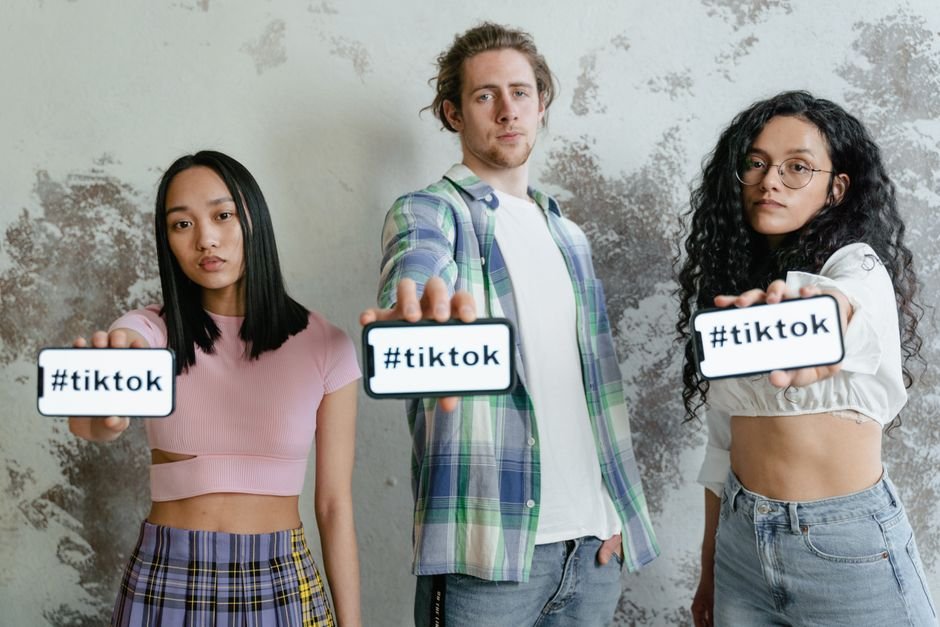
TikTok users engage with a carousel of fleeting trends for an average of 52 minutes daily, focusing more on viral content than authentic connections. This is not just a peculiar quirk of youth culture; it signals a pivotal shift in social media dynamics. As platforms evolve, the traditional notion of social interaction is being hijacked by an insatiable appetite for entertainment, raising questions about the implications for users and marketers alike.
The apex of this trend is TikTok, which experienced a staggering 300 million downloads in 2020 alone. As a platform defined by its trend-driven environment, TikTok reshapes how audiences engage online. Mainstream discourse often presents declines in genuine connection as a deterioration of social media’s value. In reality, the data supports a new paradigm: users increasingly prefer curated entertainment over deeper, more authentic engagement.
What is Trend-Driven Social Media?
Trend-driven social media focuses on fleeting content that captures users’ attention for short bursts, often at the expense of meaningful interactions. Platforms like TikTok and Twitter have capitalized on this by promoting viral challenges and trending hashtags that engage users rapidly but superficially. This shift matters now as marketers look to align their strategies with evolving consumer preferences. Think of it like fast food versus home-cooked meals: while the latter fosters personal connections, quick bites attract more repeat customers—at least in the realm of digital interactions.
How Trend-Driven Social Media Works in Practice
The trend-driven model has birthed practical use cases across various platforms:
-
TikTok’s Viral Challenges: The #SavageChallenge, which gained significant traction in 2020, saw participation from millions across demographics, showcasing how quickly and widely a trend can spread. Brands like NBA and Guess capitalized on this, aligning their messaging with current trends, yielding unprecedented engagement metrics, much like the insights shared in the article on 5 Unbelievable Ways Apple’s Vision Pro is Redefining Virtual Reality.
-
Instagram Reels: As a direct competitor to TikTok, Instagram pivoted towards short-form video, introducing Reels in 2020. This function drives user engagement through trends rather than fostering deeper connections. Studies show a 30% increase in user activity when Reels are the focal point of the platform, effectively reshaping Instagram’s user engagement strategy, echoing how platforms can Redeem their approach in today’s digital landscape.
-
Twitter’s Engagement Metrics: In 2022, Twitter reported a decline in organic engagement, exacerbated by users’ increasing willingness to engage predominantly with viral tweets rather than substantive conversations. For instance, during high-profile events like the Oscars, trends like #OscarsSoWhite became hot topics, overshadowing non-viral discussions that may once have held more weight, as highlighted in discussions around why Git History Command Can Save Teams 30% on Development Time.
-
Clubhouse’s Short-lived Boom: During pandemic-induced lockdowns, Clubhouse rose as a platform for live audio conversations, encouraging community building. However, as restrictions eased and users returned to consumption-focused platforms, its popularity plummeted, demonstrating a fleeting interest in authentic dialogue, drawing parallels to insights found in the article on Document-Borne AI Worms.
Top Tools and Solutions
Navigating the trend-driven landscape requires adaptability and the right tools. Here are some recommended resources for businesses and marketers:
Accelerated Growth Studio — Growth marketing platform for scaling businesses.
CallHippo — Virtual phone system for businesses.
Seamless AI — AI-powered sales prospecting and lead generation.
Diginius — Digital marketing intelligence platform.
Amplemarket — AI sales automation and lead generation platform.
Apollo — AI-powered B2B lead scraper with verified emails and email sequencing.
Common Mistakes and What to Avoid
Businesses often misinterpret user engagement trends in the era of social media fads. Here are key pitfalls:
-
Ignoring Trend Cycles: Brands like Pepsi have faltered by failing to align their marketing campaigns with current trends, leading to negative reception. Their “Live for Now” campaign faced backlash when it attempted to co-opt social justice movements, demonstrating a disconnect with consumer sensibilities.
-
Underestimating Short-lived Engagement: Many firms incorrectly rely on substantial dialogue, as Verizon did with its failed push for comprehensive Twitter conversations during the 2020 elections, missing the opportunity posed by fleeting trends instead.
-
Overestimating Authentic Connections: A common misconception is that user-generated content inherently strengthens brand loyalty. In reality, brands like Procter & Gamble have experienced mixed results from campaigns heavily featuring user participation, as rapid trend changes often overshadow deeper connections.
Where This Is Heading
Trends in social media are set to evolve more dramatically in the coming years. According to Goldman Sachs Research, the following shifts are expected:
-
Increased Focus on Short-form Content: Analysts predict that short-form video content will dominate social media engagement by 2025, creating hurdles for brands that fail to adapt their strategies accordingly.
-
Integration of Live Shopping: Platforms like TikTok are already pioneering this trend, and it is projected to grow exponentially. By 2024, live shopping is anticipated to become a significant revenue stream for brands on these platforms.
-
AI Driven Personalization: Future iterations of social media algorithms will increasingly harness AI to curate content tailored to users’ habits, enhancing the appeal of trend-based interactions. This evolution necessitates that marketers evolve their strategies to focus on rapid trend cycles.
Marketers must recognize that the sweeping preference for fleeting content over long-form connections is not merely a consequence of fast consumption. It is a reflection of user preferences shifting towards curated entertainment. Failing to adapt to these changes means risking alienating audiences rapidly moving to platforms that prioritize trend engagement.
FAQ
Q: What is trend-driven social media?
A: Trend-driven social media refers to platforms that emphasize fleeting content and viral interactions rather than deep connections. It highlights the growing preference for entertainment-centered engagement over traditional social interaction.
Q: How can I effectively use TikTok for marketing?
A: To leverage TikTok for marketing, businesses should create engaging and entertaining content that aligns with current trends. Collaborating with influencers and participating in challenges can drastically increase visibility and reach.
Q: What are the differences between TikTok and Instagram for marketers?
A: TikTok focuses primarily on short, engaging videos and trends, while Instagram incorporates both photos and videos with a stronger emphasis on aesthetics. TikTok tends to attract a younger audience seeking rapid interactions, whereas Instagram serves a broader demographic.
Q: What is the cost of running a TikTok marketing campaign?
A: The cost can vary widely based on content production, influencer partnerships, and advertising. On average, brands may spend anywhere from a few hundred to several thousand dollars for effective campaigns on TikTok.
Q: How can brands adapt to the rise of trend-driven social media?
A: Brands should focus on real-time engagement by staying updated on trending topics and adjusting their strategies to incorporate quick, content-driven campaigns. Utilizing analytics to track engagement can also guide optimizations.
Q: What is a common mistake brands make on social media?
A: A frequent mistake is failing to align their content with current trends, which can lead to low engagement. Brands should regularly assess the landscape and adapt their messaging to stay relevant.
Q: What is the future of social media marketing?
A: The future may heavily lean on AI-driven personalization and live shopping experiences. Social media will continue to evolve towards short-form content that captures immediate attention, necessitating rapid adjustments from brands.
Q: What is the best tool for managing social media trends?
A: Tools like Diginius provide valuable insights into digital marketing analytics which can help brands effectively track trends and user engagement across various platforms.