
By James Eliot, Markets & Finance Editor
Last updated: April 20, 2026
EU Mandates Replaceable Batteries in Phones by 2027: A Game Changer for Tech Giants
By 2027, European Union regulations will require all smartphones to feature replaceable batteries, prompting a dramatic rewrite of how major manufacturers like Apple and Samsung design their flagship devices. While mainstream reports herald this as a significant move toward sustainability, the looming reality of increased manufacturing costs and design complexities reveals a more complicated narrative.
As it stands, only 20% of consumers recycle their smartphones, according to the Global E-waste Monitor 2020. This statistic underscores a widening gap between ambitious environmental initiatives and actual consumer behavior, suggesting that these regulations may hinge more on corporate compliance than environmental efficacy. For more insights into how consumers interact with technology, consider exploring the implications of the latest 5 Unbelievable Ways Apple’s Vision Pro is Redefining Virtual Reality.
What Are Replaceable Batteries?
Replaceable batteries are components of electronic devices that can be easily removed and replaced without sophisticated tools or extensive disassembly. This design approach allows consumers to extend the lifespan of their devices, thus contributing to sustainability efforts. In the context of mobile phones, this regulation matters as it reshapes the financial landscape for manufacturers and influences consumer choices. Think of replaceable batteries like the core of professional camera systems: changing out a lens allows for extended use without the need for a complete upgrade.
How Replaceable Batteries Work in Practice
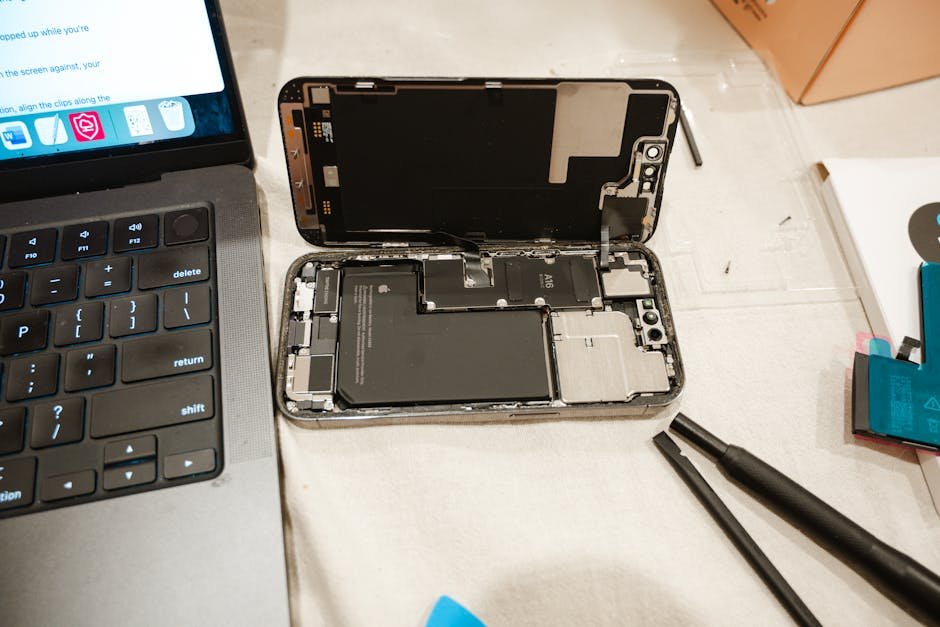
Transforming a smartphone to include replaceable batteries isn’t merely an easy adjustment; it represents a significant shift in engineering and consumer engagement.
Apple: The Challenge of High Margins
Apple generates over 50% of its revenue from iPhone sales; that dependence creates a precarious balancing act. While introducing replaceable batteries might align with sustainability, it could fundamentally alter the iPhone’s sleek, minimalist design. According to industry analysts at Goldman Sachs, this redesign could mean an additional 5-10% in production costs as Apple adapts. This fundamental shift begs the question: how will Apple maintain its high margins? To understand how different tools can boost development processes, consider the Why Git History Command Can Save Teams 30% on Development Time.
Samsung: Engineering Overhaul
Samsung’s Galaxy series, another dominant player, faces a similar challenge. Forecasts indicate that producing phones with replaceable batteries could see increased costs up to 15%. The first major test could be the anticipated Galaxy S24, which might not only feature a replaceable battery but also come equipped with updated environmental messaging. The implications here are significant: there is the risk of alienating customers who have become accustomed to the current design aesthetic that emphasizes thinness and sophistication. Additionally, Samsung’s current projects echo the broader trends in technology transformations discussed in Samsung Health’s AI Training Opt-Out May Risk User Data Loss: 5 Key Implications.
Fairphone: Leading by Example
On the other end of the spectrum is Fairphone, an established brand that has long focused on sustainability. Their approach centers on transparent sourcing and ease of repair, including replaceable batteries, which increase the likelihood of repairs by 40%, according to research from the International Telecommunication Union. If mainstream players like Apple and Samsung adopt similar strategies, they may risk being outpaced in the sustainable market narrative.
Google: Adoption of Replaceable Batteries
Google, known for its Pixel phones, presents another use case. Historically lagging in market share against Apple and Samsung, its upcoming models may include replaceable battery functionality to distinguish themselves. Should they choose this path, they might ultimately benefit from aligning with sustainability trends, potentially appealing to the 80% of consumers not actively recycling smartphones. This aligns with emerging practices discussed in the New Study Reveals 90% of Long Policies Fail in AI Governance.
Top Tools and Solutions
With the transition toward replaceable batteries already complicating the strategies of major tech companies, certain tools are emerging to help navigate this new landscape.
RankPrompt — AI-powered SEO and content optimization tool.
AdCreative AI — AI-powered ad creative generation platform.
Accelerated Growth Studio — Growth marketing platform for scaling businesses.
Gamma — AI-powered presentation and document builder.
Marketing Boost — Done-for-you vacation incentives and marketing tools to boost sales conversions and customer loyalty.
Morphy Mail — Powerful cold email delivery platform for sending to cold or purchased lists without spam filters.
Common Mistakes and What to Avoid
Transitioning to replaceable batteries comes with pitfalls that major players must sidestep.
Overlooked Consumer Education
Apple faced backlash with the iPhone 12’s repairability reputation. Early models encouraged users to recycle, yet technical complexities bewildered many, leading to confusion and frustration. Consumer education must accompany regulatory shifts, or companies risk alienating users unfamiliar with new protocols. Proper guidance is crucial when implementing such policies.
Ignoring Cost Analysis
Samsung may find itself in a precarious situation if it doesn’t analyze the cost implications of integrating replaceable batteries. Underestimating the redesign could lead to a sharp dip in profitability, especially as premium pricing is already a sensitive subject in the competitive smartphone market.
Quality Control Issues
If Apple fails to maintain stringent quality control during the shift to replaceable batteries, they risk further tarnishing their brand. Early reports indicated that Fairphone often suffered from complaints regarding build quality. Apple must avoid replicating any pitfalls while expanding the repairability of their devices.
Where This Is Heading
The EU’s mandate on replaceable batteries will likely set off a chain reaction. Major trends to watch include:
Consumer Preferences Shifting
Analysts at the Federal Reserve predict that consumer sentiment toward sustainability will eventually shift favorably as familiarity with replaceable batteries grows. As awareness increases, projections indicate a potential rise in environmentally-conscious purchasing, particularly among younger generations.
Standardization of Sustainable Practices
According to Gartner (2024), we may witness a push for standardization across companies, leading to a unified certification for sustainable electronics. This will not just apply to batteries but could encompass entire device lifecycles.
Ionic Transition to Modular Systems
As replaceable batteries become mainstream, expect manufacturers like Apple and Samsung to experiment with modular systems that allow for simpler upgrades and repairs. This shift could redefine product lifecycles while enhancing use.
FAQ
Q: What are replaceable batteries?
A: Replaceable batteries are batteries that can be easily swapped without requiring specialized tools. This feature extends the lifespan of devices, promoting sustainability.
Q: How do replaceable batteries impact smartphone design?
A: The requirement for replaceable batteries may lead companies to redesign their smartphones, potentially increasing production costs and affecting the aesthetic appeal of the devices.
Q: How do replaceable batteries compare to integrated batteries?
A: Replaceable batteries allow consumers to change batteries when they wear out, enhancing device longevity, while integrated batteries often lead to discarded devices when battery life decreases.
Q: What are the cost implications of implementing replaceable batteries?
A: Companies like Apple and Samsung may face increased manufacturing costs by 5-15% while transitioning to replaceable batteries, affecting their overall pricing strategies.
Q: What is the advanced implementation process for replaceable batteries in smartphones?
A: Implementing replaceable batteries requires significant engineering changes, including redesigning internal layouts and ensuring compatibility with existing devices.
Q: What common mistakes should companies avoid when shifting to replaceable batteries?
A: Companies should prioritize consumer education and thorough cost analysis to prevent backlash and revenue dips.
Q: What is the future trend for smartphone batteries?
A: There may be a shift towards standardization and modular systems, allowing consumers to easily upgrade and maintain their smartphones.
Q: What is the best resource for learning about battery maintenance?
A: Users looking for guidance on battery maintenance and replacement can refer to resources like iFixit for detailed repair guides.