
By James Eliot, Markets & Finance Editor
Last updated: April 23, 2026
3.4M Solar Panels: Why This Milestone Puts First Solar at the Forefront
Three-point-four million solar panels. This number encapsulates a pivotal leap for First Solar, representing not merely a production milestone, but a fundamental shift in the renewable energy conversation. As the demand for alternatives to fossil fuels intensifies—reflected by solar energy comprising 58% of new U.S. capacity additions in 2023 according to the U.S. Energy Information Administration—First Solar is redefining its role. The company is emerging as a leader in sustainability, challenging both market dynamics and long-standing perceptions about renewable energy.
With plans to produce 10 gigawatts of solar panels annually by 2025, First Solar has positioned itself not just as a manufacturer, but as an architect of a sustainable future. As Mark Widmar, CEO of First Solar, succinctly put it, “We’re not just building panels, we’re building a sustainable future.” These ambitious production goals could lead to approximately a 20% decrease in solar panel costs. The implication is stark: this development challenges the customary narrative that renewable energy is always a premium option—a narrative that has, until now, favored fossil fuel investments.
What Are Solar Panels?
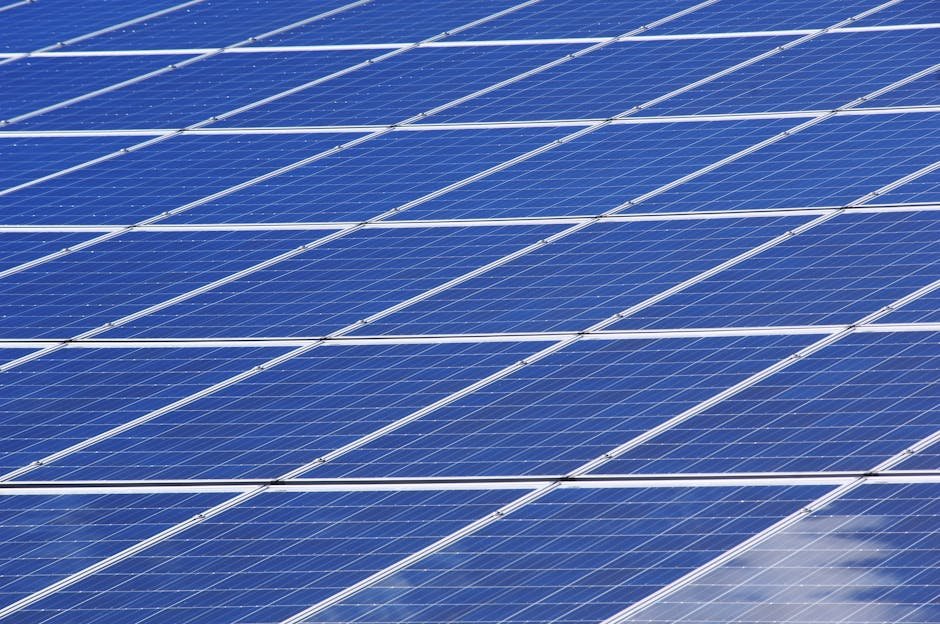
Solar panels are devices that convert sunlight into electricity, harnessing free energy from the sun. They play a crucial role in renewable energy systems, especially as climate change accelerates the need for clean alternatives to fossil fuels. Think of solar panels like a sponge that absorbs sunlight instead of water, transforming it into usable power. The significance of solar panels is underscored in today’s energy discussions, especially as First Solar ramps up production amid a global push for renewable sources. Investors, energy firms, and government regulators are closely watching this battleground, recognizing that the future costs of energy could pivot dramatically based on innovations in this area.
How Solar Panels Work in Practice
First Solar’s innovations illustrate how solar technology translates from theory to practice. Here are specific use cases that demonstrate its far-reaching implications for energy markets:
-
First Solar’s Own Facilities: The company’s manufacturing plants have shown a 50% reduction in production time per panel compared to previous years. This efficiency shift allows First Solar to meet rising demands without significantly hiking prices, consolidating its foothold against rivals such as SunPower, which might struggle to keep pace.
-
Residential Solar Installations by Momentum Solar: This New Jersey-based installer uses First Solar panels to offer residential solar solutions. According to their reports, Momentum has seen a 30% increase in installations year-over-year, attributing this growth to the quality and availability of First Solar’s products.
-
Utility Scale Projects by NextEra Energy: As a major player in renewable energy, NextEra partners with First Solar for several large-scale solar farms. These projects are crucial in expanding domestic solar capacity while also demonstrating significant cost savings in operations, driven by First Solar’s innovative technologies.
-
Public Infrastructure Projects: In California, various municipal projects have integrated First Solar panels. The Sacramento Municipal Utility District has reported a 44% rise in solar energy utilization since incorporating First Solar’s technology, which is crucial in balancing energy supply during peak demand.
These examples highlight that First Solar’s advancements are already providing tangible benefits as entities across the energy spectrum embrace solar power.
Top Tools and Solutions
For those looking to enter or expand in the solar energy space—whether it be through investment or installation—here are some key tools and platforms enabling this transition:
RankPrompt — AI-powered SEO and content optimization tool for businesses seeking improved visibility.
Seamless AI — AI-powered sales prospecting and lead generation for sales teams looking to expand their outreach.
Buddy Punch — Employee time tracking and scheduling software, ideal for organizations managing a remote workforce.
Livestorm — Video engagement platform for webinars and meetings suitable for facilitating virtual events.
Smartlead — Connect unlimited mailboxes with auto warm-up, best for seamless email outreach.
AWeber — Professional email marketing and automation platform with AI-powered email writing for enhancing business communications.
Common Mistakes and What to Avoid
While the progress in solar technology looks promising, the path is not without pitfalls. Here are specific, named mistakes companies have made in recent history:
-
SunPower’s Pricing Misalignment: At a point in their ascendance, SunPower focused excessively on premium pricing to maintain margins, ultimately alienating a segment of price-sensitive customers. This error allowed First Solar to capitalize on the niche for cost-effective solutions.
-
General Electric’s Late Entry: GE’s renewable energy division struggled to maintain focus on solar technologies, leading to substantial shifts toward wind energy, thus missing out on an earlier entry into the booming solar market. This delayed response allowed competitors to capture market share significantly.
-
Enphase Energy’s Supply Chain Issues: Enphase faced significant challenges with disruptions in supply chain logistics, particularly during post-pandemic market conditions. Delays impacted their ability to meet growing demand effectively, resulting in lost market opportunities.
These case studies emphasize that missteps in pricing strategy, focus, and supply chain management can have dire consequences, particularly in a competitive landscape defined by aggressive growth.
Where This Is Heading
The future of solar energy is dependent on two distinct but interconnected trends:
- Technological Advancements: New technologies aimed at enhancing efficiency and lowering production costs are on the horizon. Analysts at Goldman Sachs predict that advancements could facilitate growth rates of 25% per year through 2030, fundamentally reshaping the market landscape.
FAQ
Q: What are solar panels in simple terms?
A: Solar panels are devices that convert sunlight into electricity. They are essential components of renewable energy systems, especially with the push for cleaner energy sources.
Q: How do I choose the right solar panel for my home?
A: Consider factors such as efficiency, durability, and warranty. Researching different brands and manufacturers can also help you make an informed decision based on your energy needs.
Q: What is the difference between First Solar panels and SunPower panels?
A: First Solar primarily focuses on thin-film technology, which offers advantages in certain conditions, while SunPower is known for its high-efficiency crystalline panels. Choosing between them depends on specific usage scenarios and budget constraints.
Q: How much do solar panels cost on average?
A: The cost of solar panels varies widely based on brand, technology, and installation requirements. On average, you can expect to pay between $15,000 to $30,000 for residential systems before incentives.
Q: What are the advanced applications of solar technology?
A: Advanced applications include building-integrated photovoltaics and solar-plus-storage systems. These innovations enhance energy efficiency and offer storage solutions for energy generated during peak sunlight hours.
Q: What common mistakes should I avoid when installing solar panels?
A: Avoid focusing solely on upfront costs without considering long-term savings, neglecting local regulations, or failing to analyze the best solar company for quality installation and service.
Q: What future trends should I be aware of in solar energy?
A: Trends include increased efficiency through new materials, better energy storage solutions, and advancements in solar technology integration with smart home systems.
Q: What is the best resource for finding solar installers?
A: EnergySage is a great marketplace connecting you with local solar providers, offering various quotes to help assess your options efficiently.