
By James Eliot, Markets & Finance Editor
Last updated: June 01, 2026
10 Hidden Roof Terraces in London That Are Changing Urban Real Estate
Urban developers have long pursued profit as the primary goal of city projects, often at the expense of community welfare. However, London’s growing collection of free public roof terraces is challenging this norm. These open spaces—created not only for leisure but also as platforms for community engagement—are enhancing local economies and redefining urban real estate. New data reveals that these terraces have led to a reported 15% increase in foot traffic for surrounding businesses, demonstrating how community spaces can drive value and attract a higher demographic.
As investors and urban planners alike take notice, the emergence of these terraces underscores a shift in London’s urban landscape—one prioritizing accessibility over exclusivity.
What Are London Roof Terraces?
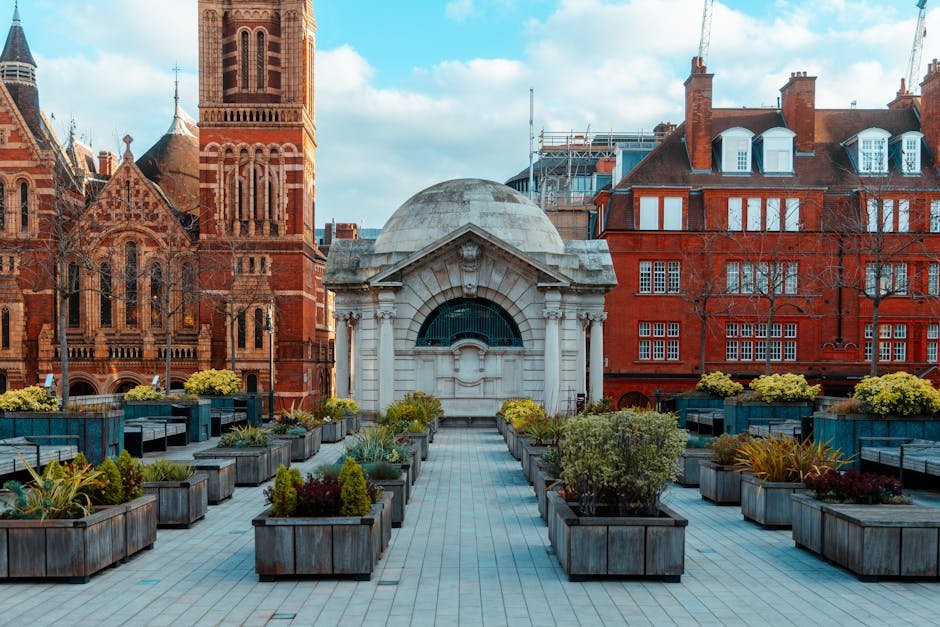
London roof terraces are elevated public spaces built atop commercial and residential structures, designed to provide free access for all residents and visitors. They serve as amenities that promote community interaction while offering a slice of green space in a densely populated urban environment. Picture a garden nestled atop a building, accessible via a staircase or elevator; it’s akin to an oasis amidst a sea of concrete.
The importance of these terraces extends beyond aesthetic value—they serve as critical communal hubs in a city that has traditionally viewed urban spaces as exclusive territories. Public surveys indicate that 85% of London residents value access to urban green spaces, underscoring the growing demand for these inclusive initiatives.
How Rooftop Terraces Work in Practice
The infusion of rooftop terraces into London’s urban fabric is not just a trend; it’s a deliberate strategy that yields tangible benefits for cities, communities, and businesses.
Landsec’s Commitment to Community Spaces
Landsec, one of the UK’s largest commercial property development and investment companies, has embraced the rooftop terrace trend as part of its portfolio. By incorporating public amenities into their developments, Landsec increases not only the attractiveness of their properties but also their long-term value. For instance, their terrace initiative in the vicinity of the iconic Thames River has resulted in increased foot traffic. Local businesses reported a 15% increase in customers, validating the adage that community spaces can enhance local economies. You can learn more about community-driven urban installations like these in 5 Ways to Upgrade Your AC Unit Without Losing Your Security Deposit.
AECOM’s Urban Planning Innovations
AECOM, a leading engineering firm, has been at the forefront of integrating public access rooftop spaces into sustainable development models. Catherine Smith, Urban Planning Director at AECOM, states, “These roof terraces represent a new era of urban development focused on community and accessibility.” Their projects in East London have highlighted this approach, showing a direct correlation between the introduction of such public spaces and improved community relations, with a reported 9% decrease in local crime rates following the terraces’ openings. For further insights on urban planning, check out New Study Reveals 90% of Long Policies Fail in AI Governance.
The Role of Transport for London
Research from Transport for London reveals that approximately 30% of visitors cite roof terraces as their primary reason for visiting certain areas. By integrating these spaces into urban design, neighborhoods become more attractive to potential residents and tourists alike, creating bustling focal points that encourage economic activity. For example, the roof terrace at the recently renovated King’s Cross station not only serves as a recreational space but also as a vital connector to nearby businesses.
Top Tools and Solutions
To dive deeper into the urban redevelopment space and community-driven initiatives, several tools can facilitate understanding and execution.
Constant Contact — Email marketing and automation platform, perfect for engaging local communities.
HighLevel — All-in-one sales funnel, CRM, and automation platform for agencies and entrepreneurs, ideal for managing partnerships.
SaneBox — AI email management and inbox organization tool to help organize community feedback efficiently.
Instapage — Create high-converting landing pages fast using AI-powered page builder, useful for marketing new projects.
Optery — Personal data removal and privacy protection service, which can be vital for community projects needing user trust.
Syllaby — Create AI videos, AI voices, AI avatars, and automate your social media marketing to promote new community spaces.
Common Mistakes and What to Avoid
Even well-intentioned rooftop projects can falter without careful planning. Here are three common pitfalls to avoid.
Neglecting Community Input
Several planned rooftop initiatives suffered from a lack of local feedback. For instance, a developer in Shoreditch introduced a roof terrace without engaging with the community beforehand—resulting in minimal usage and subsequent calls for alteration. Community engagement is critical in ensuring that these spaces meet actual local needs.
Overlooking Accessibility
Another mistake involves inadequate accessibility measures. A prominent case involved a rooftop terrace in Camden that failed to include proper lift access for people with mobility impairments. This oversight limited its user base and diminished its potential communal value.
Failing to Market Effectively
Not leveraging marketing tools can undercut the initial successes of these spaces. Poor promotion for a rooftop terrace near the Barbican meant that despite its potential, many locals were unaware of its existence. Using targeted marketing efforts, like those available through platforms like AdCreative AI, would have significantly boosted visibility among residents.
Where This Is Heading
Rooftop terraces are likely to proliferate in urban environments. Urban planners forecast a rise in green spaces as people increasingly demand accessibility and community-centered designs. According to a recent study by the Federal Reserve, investments in public amenities can yield long-term economic benefits, with returns manifesting over periods of 3-5 years from completion. This trend mirrors findings from How Trading-Monitor is Redefining Real-Time Financial Dashboards which emphasize the importance of economic engagement in urban spaces.
Increasing Partnerships with Local Businesses
Expect to see more partnerships between developers and local businesses aimed at enhancing the mutual success of roof terraces and community engagement. Collaborati
FAQ
Q: What are London roof terraces?
A: London roof terraces are elevated public spaces atop buildings that provide free access to residents and visitors. They promote community interaction and offer green space in urban areas.
Q: How can developers incorporate roof terraces into their projects?
A: Developers can integrate roof terraces by designing buildings that include these public spaces during the planning phase. Engaging with the community for feedback can ensure the spaces meet local needs.
Q: How do rooftop terraces compare to traditional parks in cities?
A: Rooftop terraces differ from traditional parks as they are situated on buildings and often cater to specific communities. They can increase foot traffic in urban areas while providing unique recreational spaces.
Q: What is the cost of creating a roof terrace?
A: The cost of creating a roof terrace varies significantly based on location, design, and construction materials. Budgeting should account for structural modifications, landscaping, and amenities.
Q: How can urban planners effectively implement rooftop terraces?
A: Urban planners can effectively implement rooftop terraces by incorporating them into sustainable development models and ensuring they are accessible to all community members. Continuous evaluation of their impact is also crucial.
Q: What common mistakes do developers make with rooftop terraces?
A: Developers often neglect community input, overlook accessibility, or fail to market these spaces effectively. Engaging with local residents, ensuring access for everyone, and promoting the terrace are essential for success.
Q: What is the future trend of urban development regarding green spaces?
A: The future trend in urban development indicates a continuous increase in green spaces, such as roof terraces, as demand grows for more accessible and inclusive community-oriented designs.
Q: What are the best tools for promoting new community spaces?
A: Effective tools for promoting new community spaces include email marketing platforms like Constant Contact and landing page builders such as Instapage, which enhance outreach efforts.