
By James Eliot, Markets & Finance Editor
Last updated: July 02, 2026
2021: The Year Internal Combustion Engines Face a $300 Billion Reckoning
In 2021, a staggering 80% of new vehicle registrations globally were still for internal combustion engine (ICE) models, revealing just how deeply embedded this technology remains in consumer preference. Despite the automotive industry’s aggressive pivot toward electric vehicles (EVs), the reality is that ICE vehicles continue to dominate, raising critical questions about the viability and timing of this much-lauded transition.
As governments around the world tighten emissions regulations, major automakers find themselves in a precarious balancing act. The pressure to innovate clashes with the reality that ICE vehicles still constitute nearly 60% of the market value of automotive stocks. This tension foreshadows an impending reckoning for traditional companies like Ford and Volkswagen. While mainstream narratives tout the electric revolution as an impending wave, they often overlook the hybrids and the financial obstacles facing these legacy manufacturers.
Investors should scrutinize not just the promises of electrification but also the complexities of transitioning from ICE to sustainable alternatives like those highlighted in discussions about how trading monitors are redefining real-time financial dashboards.
What Is Internal Combustion Engine?
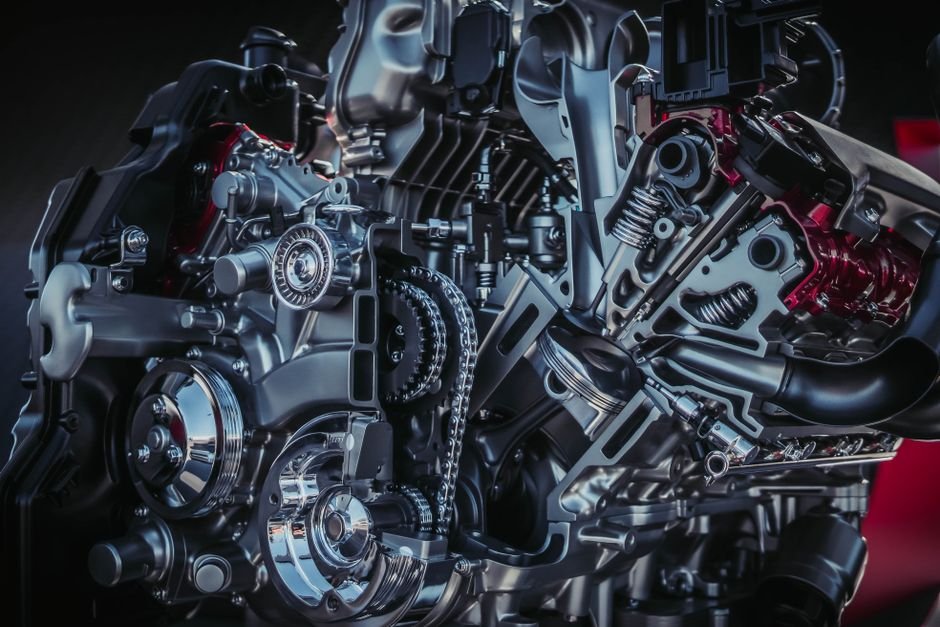
An internal combustion engine (ICE) is a type of engine that converts fuel into mechanical energy via combustion inside the engine’s cylinders. This technology has powered vehicles for over a century, making it the backbone of the automotive industry. With increasing environmental regulations and consumer shifts toward greener alternatives, understanding the intricacies of ICE technology is more pertinent than ever. Think of it as a torchbearer slowly fading against the backdrop of an electrifying dawn.
How Internal Combustion Engines Work in Practice
ICE vehicles function by igniting a mixture of fuel and air within engine cylinders, which then powers the vehicle through a series of mechanical movements. Here are notable applications from key players manufacturing ICE vehicles:
-
Ford’s F-150: Known for its fuel efficiency and performance, the Ford F-150 continues to dominate the pickup segment. In early 2021, Ford announced plans to invest $11 billion in electrification by 2022. However, the latest F-150 models remain predominantly powered by ICE, underscoring the struggle to shift brand identity and consumer expectation quickly. This is similar to how automotive firms must adapt to competition felt by document-borne AI worms disrupting their traditional manufacturing.
-
Volkswagen’s Production Capacity: Volkswagen’s CEO Herbert Diess has made bold statements regarding the transition from ICE to EV, predicting that electric models will outpace ICE models by 2025. However, current production constraints, including severe chip shortages, threaten this timeline. In Q1 2021, Volkswagen reported a 10.4% decline in vehicle deliveries as these disruptions took hold. Such supply constraints highlight the importance of innovation, a theme discussed in new studies of AI governance that could inform strategic decisions.
-
Toyota’s Hybrid Strategy: Toyota has historically been a leader in hybrid technology with its Prius model, which combines ICE with electric propulsion. Nevertheless, the company faces backlash for not fully committing to battery electric vehicles (BEVs), putting its leadership position at risk. In Europe, where rising emissions standards are stringent, Toyota’s market share has been challenged by competitors that are more aggressively pushing BEVs.
These examples underscore a complex reality: while ICE vehicles continue to generate substantial sales and profits, the race to transition to EVs is fraught with logistical and market challenges.
Top Tools and Solutions
Spocket — Dropshipping platform connecting retailers with suppliers for a seamless retail experience.
GetResponse — Email marketing and automation platform, ideal for businesses looking to enhance audience engagement.
Trainual — Business playbook and employee training platform that simplifies onboarding and operational procedures.
Campaign Monitor — Email marketing platform for designers, offering customizable templates and analytics.
Instapage — Create high-converting landing pages fast using AI-powered page builder.
Uniqode — QR code generator and digital business card platform, perfect for networking.
Common Mistakes and What to Avoid
When transitioning from ICE to electric vehicles, companies often stumble over significant missteps:
-
Underestimating Consumer Attachment: Ford might be overlooking the deep-rooted consumer loyalty associated with its ICE vehicles. The F-series trucks have been the best-selling vehicles in the U.S. for decades. A rapid transition too sharply focused on EVs could alienate this critical customer base.
-
Inadequate Supply Chain Planning: Volkswagen’s anticipated lead in the EV market may crumble due to supply chain errors and insufficient semiconductor circuitry. The recent chip shortage, which affected production levels worldwide, exemplifies the cascading effects of such a fundamental oversight.
-
Neglecting Hybrid Solutions: Toyota’s reluctance to transition fully to BEVs may paradoxically serve it well in the short term. By holding on to hybrids as an interim solution, they may better balance profitability with environmental compliance until the market stabilizes.
Each of these missteps illustrates the convoluted path facing companies entrenched in ICE while attempting to navigate an electric future.
Where This Is Heading
As the automotive industry evolves, several trends emerge:
-
Increased Investment in Hybrid Technologies: Analysts predict that hybrid technology will remain a viable alternative in the near term. A Deloitte study found that 70% of consumers anticipate ICE vehicles will still be viable for at least another decade. Expect automakers to bolster hybrid offerings as a transitional strategy, helping to appease consumer loyalty and environmental regulations simultaneously.
-
Transition Challenges Intensifying: According to industry reports, a complete switch to EV is punctuated with hurdles that may extend timelines. For instance, McKinsey & Company forecasts that achieving a balanced portfolio of EV and ICE may take until 2030 due to production constraints. This echoes the findings of Vint Cerf’s retirement and its impact on internet governance dynamics.
-
Emergence of New Market Players: Companies like Rivian and Lucid Motors are gaining traction as prominent competitors in the EV landscape, challenging traditional giants with their innovative approach. As several startup launches are planned for the coming years, they may reshape and further disrupt the incumbents.
For investors, the implication is clear: navigating ICE and EV transitions will require a careful balance of traditional market insights and innovative technology.
FAQ
Q: What is an internal combustion engine?
A: An internal combustion engine (ICE) is an engine that converts fuel into mechanical energy through combustion in its cylinders. This technology has been critical to the automotive sector for over a century.
Q: How can I transition from ICE vehicles to electric vehicles?
A: Transitioning involves assessing your current operations, investing in EV technology, and retraining staff for new systems. It’s essential to understand the logistical requirements and market demand for a successful shift.
Q: What are the differences between internal combustion engines and electric vehicles?
A: Internal combustion engines rely on fuel combustion, while electric vehicles use electric power from batteries. This key difference affects performance, efficiency, and environmental impact.
Q: What is the estimated cost of transitioning to electric vehicles?
A: The cost can vary widely based on factors such as the scale of transition, type of EV technology adopted, and existing infrastructure. A thorough cost-benefit analysis is crucial for accurate budgeting.
Q: What are some advanced implementations for using hybrids in automotive?
A: Integrating hybrid systems can include combining multiple power sources for better fuel efficiency and emissions reduction. Advanced algorithms can manage energy use, enhancing vehicle performance.
Q: What common mistakes do companies make when shifting to EVs?
A: Companies often underestimate consumer attachment to ICE vehicles, fail to plan supply chains adequately, and neglect hybrid strategies that can bridge the transition.
Q: What trends should I be aware of in the automotive industry regarding EVs?
A: Expect increased investments in hybrid technologies, ongoing transition challenges, and the emergence of new competitors like Rivian and Lucid Motors that may disrupt traditional markets.
Q: What is the best tool for managing a transition from ICE to EV?
A: Tools like GetResponse and Trainual are excellent for streamlining communication and training during your transition phase.