
By James Eliot, Markets & Finance Editor
Last updated: June 17, 2026
Mechanical Watch Sales Surge 15%: Why This Signals a Shift for Luxury Brands
In a world increasingly dominated by digital distractions, mechanical watches are making a surprising comeback. In 2022, sales of these intricate timepieces surged by 15%, according to the National Association of Watch Dealers. This resurgence isn’t just a fleeting trend or mere nostalgia; it signifies a potential shift in consumer behavior towards tangible luxury—a shift investors should closely watch as they reevaluate asset classes amidst economic turmoil.
While many analysts argue that the trend towards mechanical watches is merely driven by nostalgia, they miss a key aspect: these timepieces are gaining traction as investment vehicles. This article will explore the implications of this burgeoning market for luxury brands and investment strategies alike.
What Are Mechanical Watches?
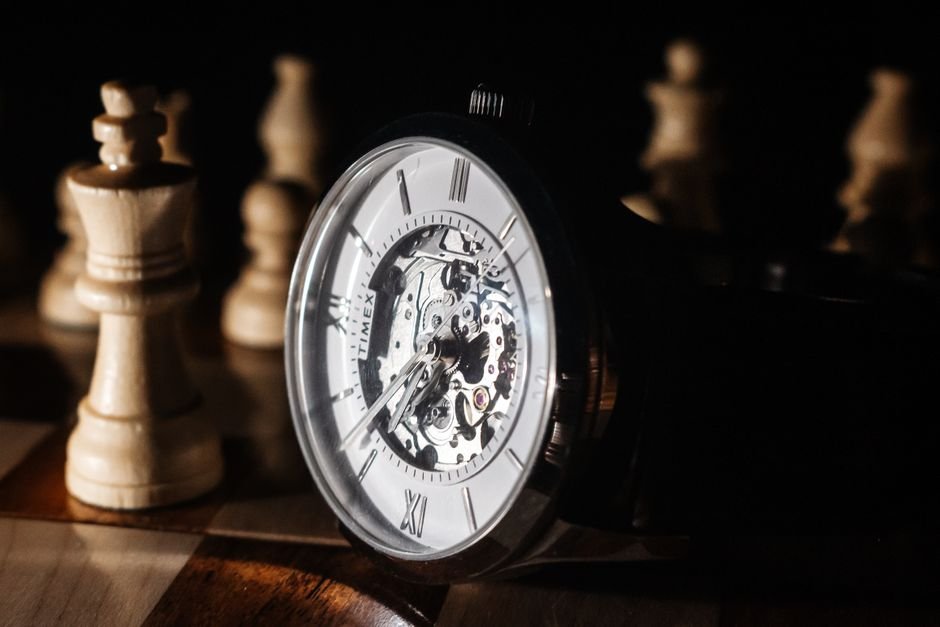
Mechanical watches are timepieces powered by intricate mechanical movements, rather than batteries. Unlike their quartz counterparts, these watches require winding, either manually or through automatic movement. Mechanical watches appeal to collectors and luxury enthusiasts due to their craftsmanship, heritage, and emotional connection. They are more than just instruments for telling time; they are status symbols and increasingly, investment assets. Think of them as art pieces that appreciate in value—a painting hanging on a wall, whose worth grows as it ages.
How Mechanical Watches Work in Practice
The mechanical watch sector showcases a variety of applications and market dynamics that underpin its growth. Here are several notable examples:
-
Rolex: The crown jewel of the watch industry, Rolex, experienced a staggering 20% increase in new watch prices in 2022. The brand’s scarcity and desirability have transformed its watches, particularly models like the Submariner, into safer investments. Pre-owned models appreciate significantly, often fetching prices multiple times their retail value, making them attractive options for collectors and investors.
-
Breitling: This brand exemplifies the rising consumer interest in luxury collectibles. Their limited-edition models, such as the Super AVI collection, sold out within hours after launch. The demand, even amid economic uncertainties, reflects a market resilience for high-ticket luxury commodities. This indicates that consumers are willing to invest in high-quality, tangible assets despite financial pressures.
-
Patek Philippe: The Nautilus model’s secondary market price has reached an astounding $200,000, spotlighting its status as both a luxury item and an investment asset. The brand’s “you never actually own a Patek Philippe, you merely look after it for the next generation” philosophy reflects the intrinsic value these timepieces hold beyond their material costs.
-
Swiss Watch Industry Exports: The Swiss watch industry exported watches worth CHF 23 billion in 2022, underscoring a thriving market that stands resilient even as digital alternatives surge. This figure exemplifies the global allure of mechanical watches, an allure that isn’t waning.
Top Tools and Solutions
As mechanical watches become more central to investment strategies, there are few tools investors can utilize to tap into this niche market.
BlackboxAI — AI coding assistant and developer tool for those looking to enhance their programming capabilities.
Buddy Punch — Employee time tracking and scheduling software suitable for business owners managing teams.
Housecall Pro — Field service management software ideal for contractors and service professionals.
Nutshell CRM — Simple and powerful CRM for sales teams looking to streamline their processes.
Databox — Business analytics and KPI dashboard platform for data-driven decision-making.
LearnWorlds — Online course creation and selling platform for educators and entrepreneurs.
Common Mistakes and What to Avoid
-
Neglecting Research: Investors often overlook the importance of understanding market dynamics within the watch sector. For instance, spec investors who bought into the luxury watch sector without understanding brand provenance have seen significant losses, particularly with models that lack rarity or brand credibility.
-
Focusing Solely on New Releases: Many collectors focus exclusively on new releases while ignoring vintage pieces that may appreciate faster in value. For example, those who shunned older Patek Philippe Nautilus models in favor of new releases missed out on substantial returns as the former line’s prices skyrocketed in the secondary market.
-
Ignoring Condition and Provenance: Buyers often underestimate the impact of a watch’s condition and provenance. A well-documented history can significantly increase a timepiece’s value. Investors who purchased watches without proper documentation have found themselves with items that have considerably lower resale potential.
Where This Is Heading
The rising trend of mechanical watch purchases signals a broader market trend favoring tangible assets and collectibles that can be physically owned. Even within a fluctuating economy, here are some projected trends:
-
Investment Growth: As consumers increasingly view mechanical watches as investment vehicles, the total market share for luxury watches could expand. Analysts from Goldman Sachs predict growth in this segment, anticipating a 10% annual rise in collectible luxury items in the next three to five years.
-
Millennial and Gen Z Interest: A survey by the National Association of Watch Dealers revealed that 37% of millennials see mechanical watches as a worthy investment. As younger generations inherit wealth and seek investments, interest in mechanical watches as collectibles will likely increase.
-
Market Diversification: Brands will continue to dive into innovative designs and limited editions, creating unique offerings that attract collectors and investors alike. This could lead to values that exceed even precious metals or traditional art, as more people recognize the potential financial benefits of investing in luxury goods.
For retail investors, recognizing and adapting to this market trend is crucial. Over the next 12 months, understanding the dynamics shaping demand for mechanical watches will be essential for those looking to diversify their investment strategies.
FAQ
Q: What are mechanical watches?
A: Mechanical watches are timepieces powered by intricate mechanical movements instead of batteries. Their appeal lies in craftsmanship, heritage, and investment potential, making them sought-after status symbols.
Q: How do I know which mechanical watch to invest in?
A: Research brands, models, and market trends. Focus on those with limited production runs and strong demand, like Rolex and Patek Philippe, to maximize your investment potential.
Q: Are mechanical watches expensive? How much do they typically cost?
A: Yes, mechanical watches can be expensive, often ranging from a few hundred dollars to several hundred thousand depending on the brand and rarity. It’s crucial to assess the investment value against your budget.
Q: How do I maintain a mechanical watch?
A: Regular maintenance is essential to keep a mechanical watch functioning properly. This includes periodic servicing by a professional watchmaker to clean and lubricate the movement.
Q: What’s the difference between a vintage and a contemporary mechanical watch?
A: Vintage mechanical watches typically have historical significance and may appreciate in value over time, while contemporary mechanical watches often boast modern designs and technology. Both can be desirable depending on the collector’s preferences.
Q: What are the risks of investing in mechanical watches?
A: Investment risks include fluctuations in market demand, brand reputation changes, and potential maintenance costs. It’s important to thoroughly research and assess the market before investing.
Q: What trends should I expect in the mechanical watch market?
A: The market is likely to see increased interest from younger generations and a rise in limited-edition releases, making mechanical watches more sought after as investment assets.
Q: What is the best resource for learning about mechanical watches?
A: Online communities, forums, and websites dedicated to horology provide extensive information. Influential watch blogs and YouTube channels can also be valuable resources for new and seasoned investors.