
By James Eliot, Markets & Finance Editor
Last updated: June 09, 2026
UK’s New Surveillance Laws: The Cost of Privacy in Numbers
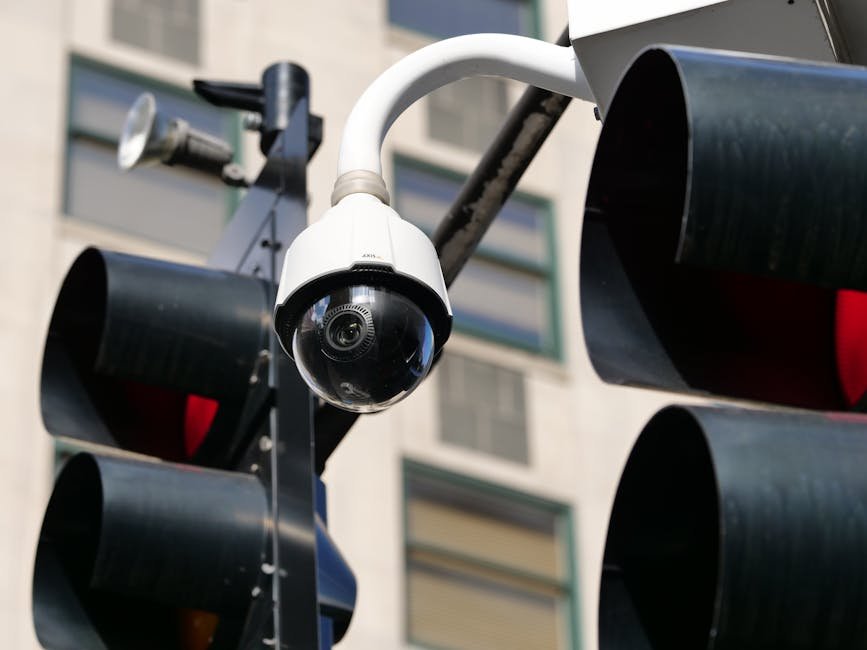
In a nation where an estimated 4.2 million CCTV cameras monitor the streets, the latest surveillance measures proposed by the UK government challenge the sanctity of privacy amidst promises of safety. A recent report from the UK Home Office indicates that regions with extensive surveillance experience only a 1% average decrease in crime rates. This striking statistic raises apprehensions about the efficacy of surveillance measures and ignites a critical discourse about civil liberties and individual rights. The implications extend to various sectors, including tech, where understanding surveillance’s impact on investments is crucial.
Privacy threats are evolving, and the latest legislative changes serve as a harbinger of a global trend where safety overlaps with sweeping intrusions into personal freedom. As governments embrace surveillance technologies under the pretext of enhancing public safety, the actual implications for the public and stakeholders in the technology sector bear scrutiny. For instance, the insights from a recent study reveal that existing policies often fail, which heightens the need for an informed perspective on surveillance challenges, especially for those involved in technology ventures.
As a retail investor or finance professional, understanding the nuances of these developments is crucial. The policies surrounding tech firms, such as Facebook’s involvement in discussions of data privacy and the backlash against Clearview AI’s facial recognition capabilities, reveal how surveillance technologies intertwine with civil liberties. This landscape will likely impact market dynamics as investors consider the ethical implications of their technological ventures, similar to how investing in cryptocurrency is shaped by emerging regulations—further emphasizing the importance of being informed about these shifts.
What Is UK Surveillance?
UK surveillance encompasses a range of technologies and laws that monitor citizens’ activities, movements, and communication, ostensibly to enhance public safety and reduce crime. This system is crucial for law enforcement and intelligence agencies but raises vital concerns about individual freedom and privacy. Consider it akin to living in a glass house; while you may feel a sense of security, the loss of privacy can have profound implications for personal freedom.
Recent changes have widened the scope for surveillance, permitting data collection from major tech companies, including Facebook, enhancing governmental access to individual data. Given that 70% of Britons remain unaware of the extent of government data collection, as indicated by Privacy International, it is paramount for citizens to understand how these changes affect their privacy and rights. These transformations not only reflect current legislative intentions but also hint at future implications for data privacy, illustrating a pressing need for enhanced public awareness.
How UK Surveillance Works in Practice
Surveillance technologies are manifesting in increasingly noticeable ways. Here are three key examples:
-
Facial Recognition Technology by Clearview AI: Utilized by various police forces across the UK, Clearview AI’s controversial software scrapes public images from social media without consent. The backlash has been intense, with numerous privacy advocates arguing that this violates civil liberties and privacy laws.
-
CCTV Networks in London: With over 600,000 cameras installed in the capital alone, these systems purportedly monitor crime prevention. However, studies indicate the effectiveness of these systems in deterring crime is minimal; the aforementioned Home Office report points out only a meager 1% reduction in crime in heavily surveilled areas.
-
Data Collection Initiatives by Facebook: Following the UK’s recent surveillance reforms, Facebook has faced scrutiny for its role in data sharing. The platform has become a focal point for concerns over user privacy and the extent to which personal data can be harvested and utilized by governmental bodies, reflecting broader trends in technology governance.
Top Tools and Solutions
In light of these developments, understanding the tools that can help mitigate privacy risks is essential:
Seamless AI — AI-powered sales prospecting and lead generation that ensures your business effectively reaches potential clients while maintaining data integrity.
Accelerated Growth Studio — A growth marketing platform designed for scaling businesses to enhance their online presence in a data-sensitive environment.
Housecall Pro — Field service management software that helps businesses streamline operations and protect client data.
GetResponse — An email marketing and automation platform that assists companies in sustaining customer engagement while safeguarding user privacy.
Leadpages — Landing page builder and lead generation tool best suited for marketers focused on user data protection.
Optery — A personal data removal and privacy protection service that helps individuals regain control over their online information.
Common Mistakes and What to Avoid
As we navigate this evolving surveillance environment, several pitfalls diminish privacy protections:
-
Ignoring Privacy Settings on Social Media: Users often overlook privacy settings on platforms like Facebook. By failing to restrict their data sharing, users inadvertently provide more information than intended, compromising their privacy.
-
Assuming CCTV Provides Total Security: Many individuals believe CCTV will fully protect their neighborhoods from crime. However, as indicated, crime statistics show little correlation between surveillance and significant reductions in crime.
-
Neglecting Terms of Service Agreements: Consumers frequently agree to terms of service without reading the fine print. This oversight can lead to unintended consent for data collection and sharing practices that infringe on privacy.
Where This Is Heading
The UK’s surveillance laws signal a broader trend toward increased monitoring globally. Two key trends to watch over the next year are:
-
Expansion of Facial Recognition Technology: As law enforcement agencies continue embracing facial recognition, regulations and backlash will become more pronounced, mirroring debates in the US and Europe. Analysts project a growing call for stringent oversight in 2024.
-
Increased Public Awareness and Opposition: With 70% of Britons unaware of their government’s data collection practices, one can expect that a combination of scandals and advocacy will increase awareness. The greater public pushback may lead to more robust privacy protections.
Investors in technology should prepare for a shift toward ethical data usage and accountability within their portfolios. Reputable independent research firms like Goldman Sachs predict the necessity for compliance will dominate the market landscape as these trends evolve.
FAQ
Q: What is surveillance in the UK?
A: UK surveillance involves the monitoring of people’s activities using technologies like CCTV and facial recognition. Although it aims to enhance public safety, it raises significant privacy concerns.
Q: How can I protect my privacy online?
A: To safeguard your online privacy, regularly adjust social media settings, utilize privacy-focused tools, and stay informed about data usage policies. These steps can help minimize your digital footprint.
Q: How does UK surveillance compare to other countries?
A: Compared to many countries, the UK’s surveillance practices are extensive, particularly with its use of CCTV and facial recognition technology. However, public backlash in other nations is prompting stricter regulations.
Q: What are the costs associated with data privacy compliance?
A: Compliance with data privacy laws can incur significant costs due to legal consultations, necessary technologies to manage data, and potential fines for non-compliance.
Q: How can businesses implement ethical data practices?
A: Businesses can implement ethical data practices by ensuring transparency in data collection, obtaining consent from users, and regularly reviewing their privacy policies to align with best practices.
Q: What common mistakes do people make regarding their online privacy?
A: Many individuals neglect privacy settings on social media or fail to read terms of service, which can lead to unintentional data sharing and loss of privacy.
Q: What is the future of surveillance laws in the UK?
A: The UK is likely to see continued debates about surveillance laws, focusing on balancing public safety with privacy rights as technology advances and public awareness grows.
Q: What tools can help me protect my online data?
A: Several tools, such as personal data removal services and privacy protection platforms, are available to assist individuals in managing their online information and ensuring data security.